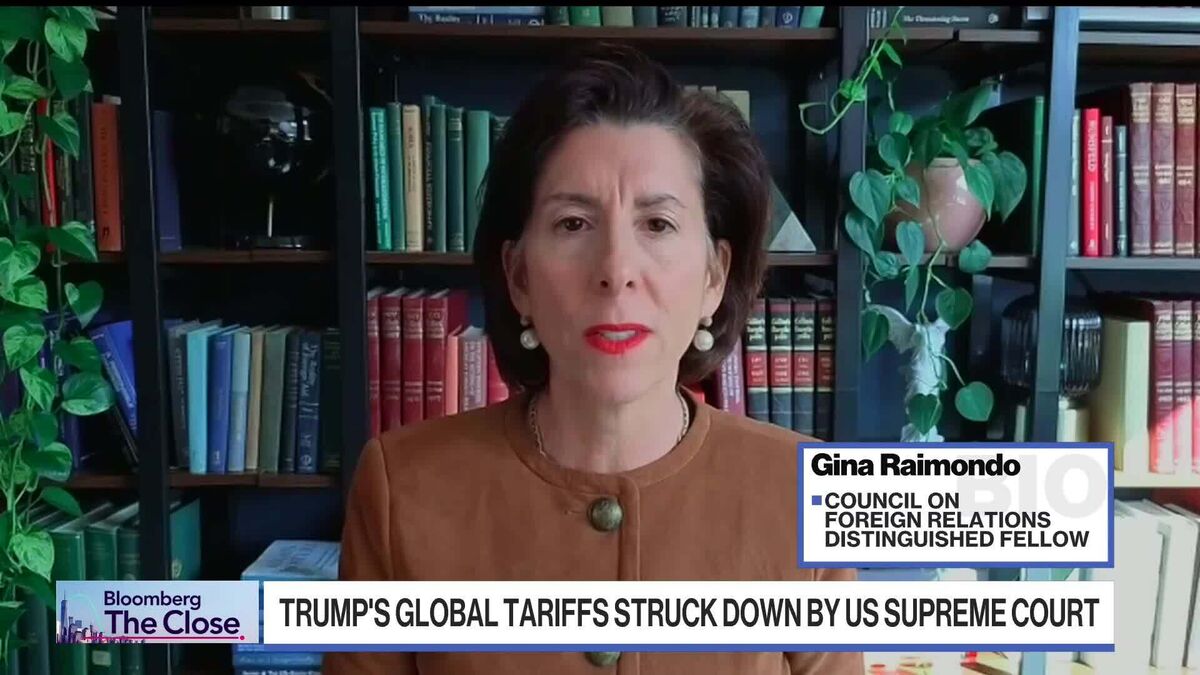
Supreme Court's Ruling on Tariffs: A New Era Begins for U.S. Trade Policy
The Supreme Court's recent decision to strike down Trump-era global tariffs marks a significant shift in U.S. trade policy. As we unpack the implications, it’s clear that winners and losers are emerging in unexpected ways.
The U.S. Supreme Court just turned the page on a controversial chapter of American trade policy. With its decision to invalidate the global tariffs imposed during the Trump administration, the Court has set the stage for a reimagined trade landscape. For businesses and consumers alike, this ruling could mean cheaper goods and a new chance for international relations.
Understanding the Ruling
This Supreme Court ruling isn’t just a legal footnote. it’s a monumental change in how the U.S. interacts with the global economy. The Court found that the tariffs, which had ballooned to an estimated $300 billion on goods from countries like China and Canada, lacked the legal justification required. These tariffs were initially touted as a necessary measure to protect American jobs and industries. However, they’ve often been criticized for inflating prices and straining relationships with key trading partners.
One can't help but wonder about the motivations behind this decision. Was it simply a matter of following the law, or was it also a reflection of shifting political winds? With the Biden administration pushing for a more diplomatic approach to trade, this ruling aligns well with the broader goals of easing tensions and fostering cooperation on essential issues like climate change and global supply chains.
Who Stands to Gain?
The immediate beneficiaries of this ruling are consumers and businesses that rely on imported goods. With tariffs eliminated, prices on everyday items like electronics and clothing could drop significantly. For example, a smartphone that might have cost consumers an extra $100 due to tariffs could see a price reduction, making it more accessible for many families.
However, it’s not just consumers who will see benefits. U.S. manufacturers, especially those reliant on imported materials to assemble their products, stand to gain as well. The National Association of Manufacturers has long argued that high tariffs put American businesses at a disadvantage. Now that these barriers have fallen, we could see a revitalization in sectors that have struggled under tariff pressures. As Chairman Jay Timmons stated, 'This decision gives companies the clarity they need to invest and grow.'
Who Loses in This Shift?
This ruling also sends a message to those who believed in the effectiveness of tariffs as a negotiation tool. The idea that imposing high tariffs would force trading partners to the bargaining table has just taken a hit. As one trade analyst put it, 'This ruling shows that protectionism isn't a sustainable strategy in the long run.'