Supreme Court Strikes Down Trump's Tariff Agenda: A $133 Billion Blow
The Supreme Court's recent decision against Trump's global tariffs could reshape the economic landscape. With over $133 billion at stake, the implications are profound for businesses and trade policy.
The Supreme Court has delivered a seismic blow to former President Donald Trump’s ambitious tariff policies. In a landmark 6-3 ruling, the Court struck down Trump’s sweeping global tariffs, claiming they violated the constitutional powers allocated to Congress. This decision not only halts Trump's plans but also raises the stakes for U.S. trade relations and domestic businesses.
The Tariff Infrastructure Unraveled
Trump’s tariffs were an integral part of his economic strategy, aimed at protecting American industry from foreign competition. Imposed under emergency powers, these tariffs affected nearly every country, generating more than $133 billion in revenue for the Treasury by December 2022. The Court determined that such sweeping tariff powers cannot be wielded by the president alone, highlighting the fundamental principle that taxation authority resides with Congress. Chief Justice John Roberts made this crystal clear when he stated, "The Framers did not vest any part of the taxing power in the Executive Branch."
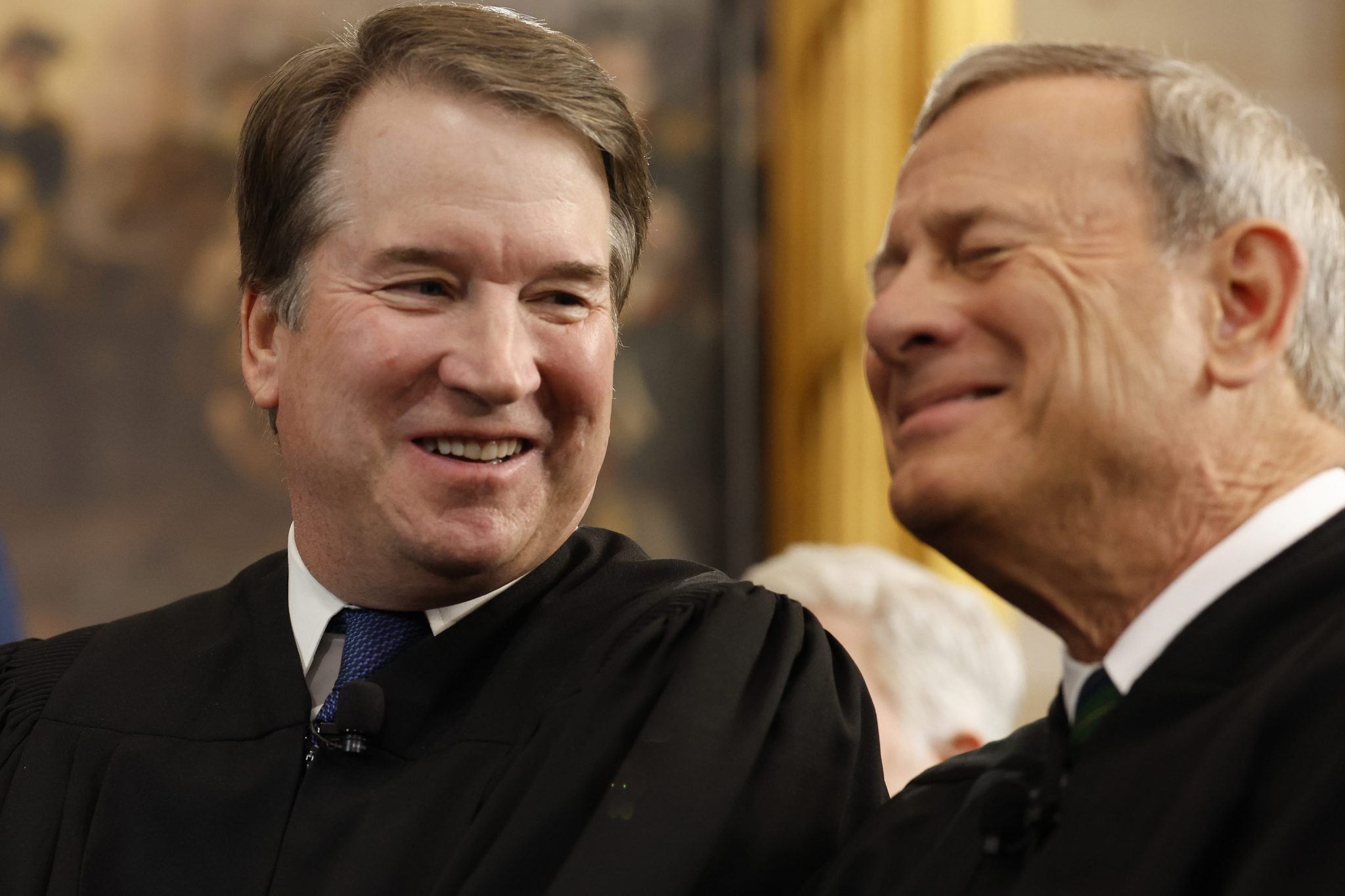
A dissenting opinion from Justices Kavanaugh, Alito, and Thomas raised an interesting point. They argued that while the policies could be debated, the tariffs themselves were lawful according to historical precedent. Their stance underscores the divide among justices about the interpretation of presidential powers versus legislative authority. Regardless of the dissent, the majority opinion stands firm, making it clear that Trump's tariff model is no longer viable.
Trump’s Response: A Defiant Alternative
In the aftermath of the ruling, Trump didn’t take the high road. He announced plans to impose a global 10% tariff as a countermeasure, while expressing outrage over the Supreme Court's decision. His comments were laced with indignation, calling the ruling a "disgrace" and stating he was "absolutely ashamed" of the justices involved. This fiery rhetoric reflects his unwillingness to concede defeat entirely, but it also raises questions about the feasibility of his new approach.
Under the new plan, these tariffs are limited to 150 days, which means any immediate impact could be short-lived. This raises the question, will businesses and consumers feel the pinch before the administration can solidify a more permanent policy? The uncertainty could lead companies to rethink their supply chains and pricing strategies, potentially amplifying market volatility.
The Financial Fallout
As the dust settles from this ruling, the larger financial implications loom large. Businesses across the nation, including giants like Costco, have already prepared lawsuits to reclaim billions paid under the now-stricken tariffs. The Court’s failure to address refunds creates a vacuum, companies left in limbo as they navigate this new reality could face significant financial challenges. Kavanaugh himself noted that resolving this could be a "mess," indicating that the complexities involved may not yield quick resolutions.
With an estimated $3 trillion impact over the next decade due to these tariffs, the decision sends shockwaves through trade networks. Importers might now push harder for compensation, potentially leading to a series of protracted legal battles. The uncertainty surrounding future tariff policies may also discourage foreign investment, as global players assess their risks in an increasingly unpredictable U.S. market.
A Look Ahead: Who Wins and Who Loses?
This ruling certainly empowers Congress, reaffirming its authority in matters of taxation and tariffs. It may also galvanize a movement to revise trade laws and check executive power in the long run. However, businesses that relied on predictable tariff structures are now left contending with instability. Those who hoped to benefit from Trump’s protectionist policies might find themselves scrambling to adapt.
Ultimately, the losers are those caught in the middle, American consumers and businesses. With uncertainty in trade policies, prices could rise, and economic growth may stall. The potential for retaliatory tariffs from other nations also looms, threatening to spiral into a broader trade conflict. Moving forward, the question remains: how will the Biden administration navigate these turbulent waters? As this story unfolds, one thing is clear, the economic landscape is shifting, and everyone will feel the effects.