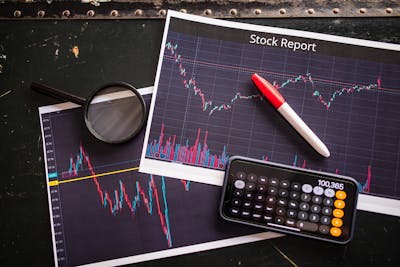
Oil Prices Soar Amid Middle East Tensions: How Traders are Cashing In
As military tensions rise in the Middle East, savvy investors find profitable opportunities in oil ETFs. Short trades are redefining profit strategies.
The Middle East is back in the headlines, and with it, oil prices are climbing. Just last month, crude oil surged to $85 a barrel, reflecting the turmoil in the region. Investors are paying close attention, and for good reason. The geopolitical climate has created waves in the energy market, allowing traders to pounce on short-term opportunities that others might overlook.
The Oil Market's Volatility
Oil markets thrive on uncertainty, and right now, uncertainty reigns supreme. The ongoing military build-up in the Middle East has investors buzzing, particularly those focused on exchange-traded funds (ETFs) that track oil prices. These funds, like the XOP, have seen explosive growth. Just a few weeks ago, XOP had a return of over 15 percent. That’s no small feat in today's economy.
Traders are capitalizing on this volatility by executing short trades. In a market where prices can shift dramatically overnight, being nimble is essential. This strategy isn’t for the faint of heart, but it offers a quick way to build profits. Those who can anticipate market movements and act fast are finding themselves reaping the rewards. Not everyone will have the stomach for this approach, but those who do are seeing the potential upside in a chaotic environment.
Who Wins and Who Loses?
It's easy to assume that rising oil prices benefit producers and traders alike, but the reality is more complex. While oil companies see their stock prices rise, consumers are left feeling the pinch at the pump. Higher prices can lead to increased costs for everyday goods and services. In essence, while some investors are celebrating, many regular folks are wondering how to make ends meet.
For savvy investors, though, the trend presents ample opportunities. Big-name oil companies like ExxonMobil and Chevron are poised to profit immensely from rising prices. Their strong balance sheets provide a cushion against the economic downturn pressures many companies face. Meanwhile, smaller players in the oil sector might struggle to keep pace, especially if they rely on a stable price environment. Traders need to keep an eye on which companies can weather the storm and which ones might falter.
Trading Strategies in Uncertain Times
Short trading can be a double-edged sword. It offers quick returns but comes with inherent risks. With oil prices fluctuating, traders need to stay sharp and informed. Strategies like using options to hedge against volatility can help mitigate risks. This is no time for a passive investment strategy. Those who act decisively can carve out significant gains in this environment.
Another effective strategy involves closely monitoring political developments. News about troop deployments, sanctions, or other military actions can lead to rapid market reactions. Traders who can interpret these signals quickly stand to profit. The rapid pace of information flow means that timing is everything. Missing an important news cycle could mean the difference between profit and loss.
The Road Ahead for Oil Traders
Looking forward, the outlook for oil trading remains fraught with uncertainty. With OPEC's recent comments about production cuts, prices could fluctuate wildly in the coming months. Traders should prepare for this volatility and keep their strategies agile. Those who can adapt to changing circumstances will find the most success.
The military situation in the Middle East is unlikely to stabilize anytime soon. Continued tension means that oil prices may remain elevated. Traders hoping to take advantage of a market that reacts to geopolitical events should be ready to act. Short trades can still yield high profits, but they require discipline and a keen sense of timing. The landscape is dynamic, and only the most informed and proactive traders will thrive.