India Joins Pax Silica: A Strategic Shift in Tech Alliances
India's recent entry into the Pax Silica initiative marks a decisive moment in its relationship with the U.S. This move is not just about technology. it reshapes a regional landscape dominated by China.
India's participation in the Pax Silica initiative signals a significant pivot in its global alliances. This decision, made public last Friday, comes on the heels of a U.S. effort to bolster technology cooperation among strategic partners. The backdrop? A complex web of geopolitical tensions, particularly regarding China, and a recent strain in U.S.-India relations over energy trade.
Strengthening Ties Amidst Tension
After a rocky period over India's continued purchase of discounted Russian oil, this new alignment with the U.S. highlights a warming relationship. The U.S. has long sought to forge secure supply chains for key technologies like semiconductors and advanced manufacturing. Now, with India on board, those efforts are gaining momentum.
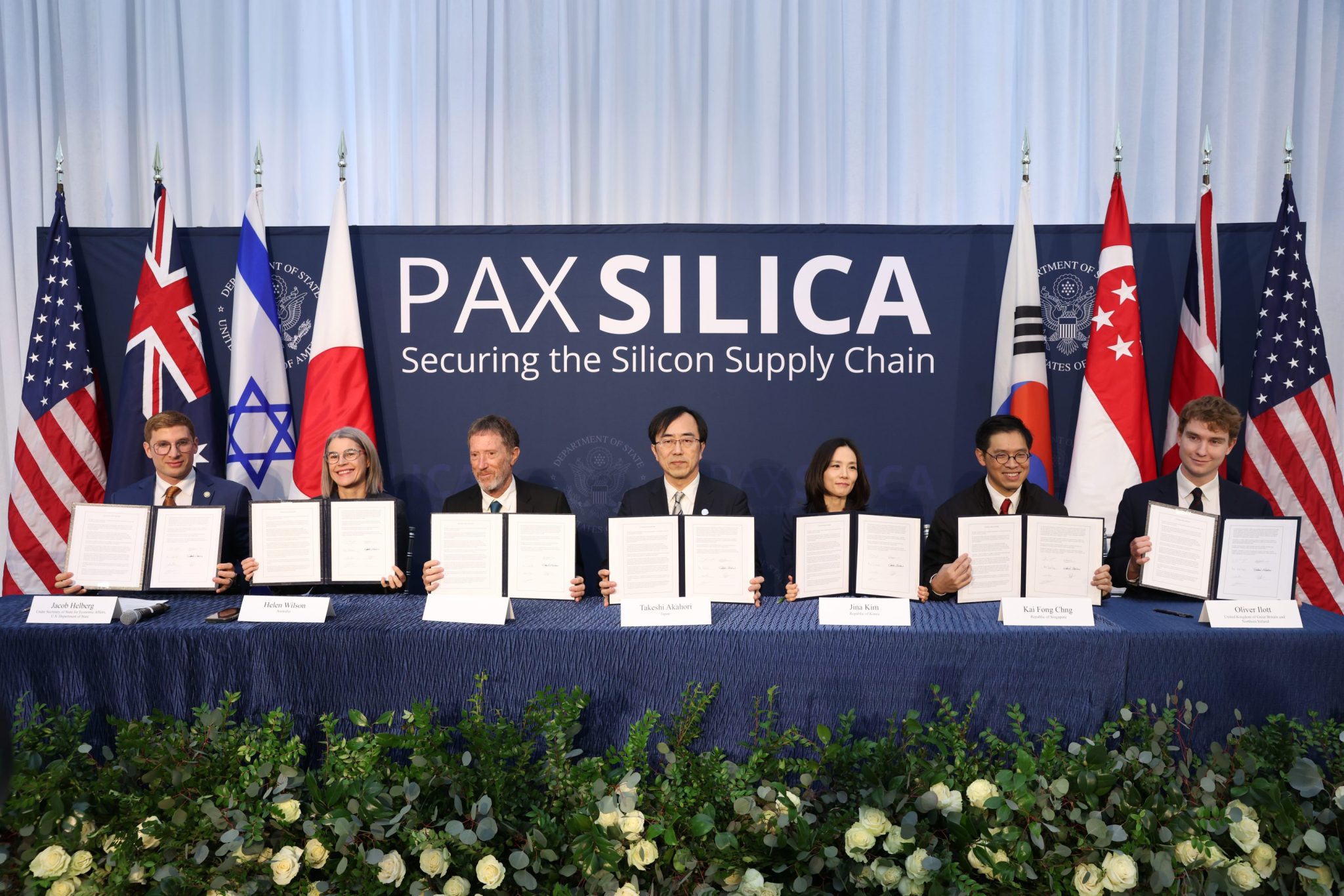
India's inclusion in Pax Silica, along with other nations like Japan and the U.K., isn’t merely a nod to friendship. U.S. Ambassador Sergio Gor emphasized its strategic importance, referring to it as essential for nations that support free people and markets. This is a direct response to the growing influence of China in technology and manufacturing, an area where dependence could spell disaster for democratic nations.
Pax Silica: More than a Tech Agreement
Pax Silica aims to foster collaboration on semiconductor design, fabrication, and research while ensuring supply chain resilience. By reducing reliance on China, the initiative pushes for a network of trusted production among allies. In a global economy where technology underpins everything, this alliance isn’t just timely, it’s necessary.
The recent artificial intelligence summit in New Delhi set the stage for this announcement. It also followed India's agreement with the U.S. to lower tariffs and enhance market access. This revitalized trade framework promises to ease previous tensions while paving the way for deeper cooperation in technology and security.
The Trade Dynamics: Winners and Losers
On the trade front, President Trump’s recent decision to reduce tariffs on Indian goods from 25% to 18% is noteworthy. It’s a calculated move to not only mend fences but also to bring India closer into the fold of American economic interests. The removal of an additional 25% tariff on Russian oil purchases after Prime Minister Narendra Modi pledged to curtail imports serves to underscore this point. India’s energy policy had drawn criticism from Western nations. Despite this, New Delhi argued these imports were critical for managing inflation amid rising global energy prices.
The winners in this scenario seem clear. The U.S. strengthens its position in the Indo-Pacific while enhancing its technological foothold. For India, aligning with the U.S. offers a chance to boost its own tech sector and secure access to advanced manufacturing capabilities. But who stands to lose? China, of course, finds itself in the crosshairs of this new alliance. Its dominance in tech manufacturing, particularly in semiconductors, is now being challenged.
Looking Ahead: A New Era of Cooperation
India’s strategic entrance into Pax Silica goes beyond trade deals. It signifies a shift in the balance of power, one that seeks to redefine international collaborations in technology and defense. Both nations are eyeing a future where collaboration is key, especially in an era where technological innovation drives economic growth and national security.
This partnership holds potential for groundbreaking advancements. From joint ventures in AI to shared research initiatives in semiconductor technologies, the scope is vast. However, the road ahead isn’t without its challenges. India must navigate its own domestic interests while balancing the demands of a close partnership with the U.S.
As India integrates more deeply into this tech-oriented alliance, it’s clear the implications stretch far beyond bilateral relations. The stakes are high, and the world will be watching how this unfolds. Can India juggle its historical ties with Russia while building a future with the U.S.? The answer could determine the trajectory of international relations for years to come.