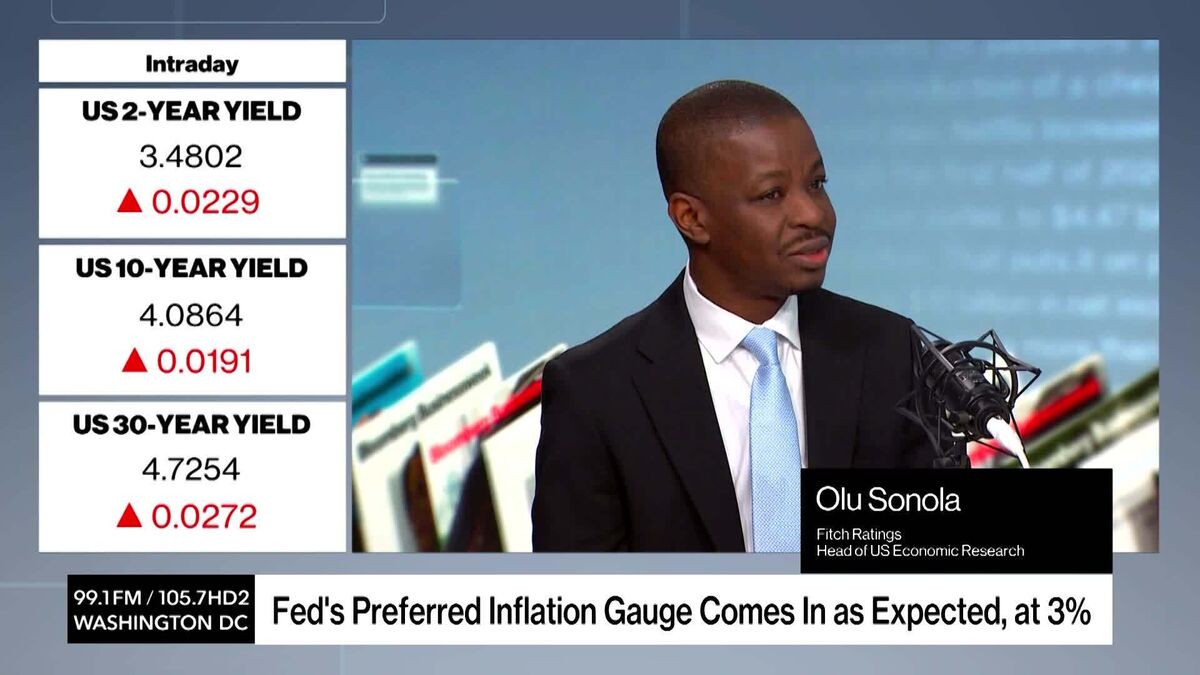
December Inflation Hits 3% Year-Over-Year: Fed Faces Tough Decisions Ahead
As inflation creeps higher, the Federal Reserve's goal of a 2% target seems increasingly out of reach. With December's core PCE at 0.4% month-over-month, policymakers are left contemplating their next move.
Inflation in the United States is proving to be a stubborn beast. December data reveals that core personal consumption expenditures (PCE) rose 0.4% from the previous month and a notable 3% year-over-year. The Federal Reserve, which aims for a modest 2% inflation rate, is now staring down a more complex battle against rising prices. Current trends suggest that the Fed's path to stabilize the economy may not be as straightforward as they'd hoped.
The Fed's Dilemma
In their latest meeting, Federal Reserve officials expressed a desire for clearer signs that inflation is being tamed. Yet the December figures indicate that they might be stuck in a holding pattern for the foreseeable future. The Fed's preferred inflation measure not only highlights that pressures remain but also raises questions about the effectiveness of previous rate hikes. What will they do next?
The uncertainty surrounding inflation is palpable. With the economy still recovering from the pandemic's impact, any missteps in monetary policy could lead to far-reaching consequences. Are we heading back to an era of higher rates for an extended period? That's a question many investors and consumers are grappling with. If the Fed continues to adopt a cautious stance, it could lead to market volatility as traders react to shifting economic signals.
Economic Ripples of Tariff Decisions
Another factor that could influence the economic landscape is the potential overturning of President Trump's tariffs by the Supreme Court. These tariffs, initially designed to protect American industries, have had mixed effects. On one hand, they aimed to bolster domestic manufacturing. On the other, they increased costs for consumers and businesses alike.
Should the Supreme Court decide to strike down these tariffs, we might see a decrease in consumer prices in the short run. Lower prices could boost spending, supporting economic growth. But there's a flip side. U.S. industries that benefited from the protection might struggle in a more competitive environment. This creates a delicate balance where some sectors could thrive while others falter.
GDP Insights and Future Projections
The latest GDP indicators paint a complex picture. Despite inflation pressures, growth seems to be on a steady trajectory. Analysts forecast the GDP growth rate to hover around 2.5% for the coming year. This figure reflects underlying resilience in the economy, driven by strong consumer spending and investment.
However, the question remains. How will rising inflation and fluctuating tariffs impact this growth? If inflation continues to climb, the Fed may be forced to raise interest rates more aggressively. Higher rates could dampen consumer spending and investment, leading to a slowdown. Investors need to prepare for a turbulent economic climate as conflicting forces shape the financial landscape.
The Road Ahead
Looking forward, the Fed's choices will be key. Should they cling to their 2% target, they might end up stifling growth in pursuit of an unrealistic goal. A more flexible approach could allow the economy to breathe, but it risks letting inflation spiral out of control. There's no easy answer, and both consumers and investors will feel the effects of whatever path is chosen.
Moreover, the potential reversal of tariffs offers a glimmer of hope. If consumer prices begin to decline, it could stimulate spending and provide a slight cushion against rising inflation. Yet, industries are right to be concerned about losing the protection they've come to rely on. In the end, it’s a high-stakes game for the Fed, the Supreme Court, and the American public. The decisions made in 2024 will shape the economic landscape for years to come. Buckle up. This ride isn't over yet.