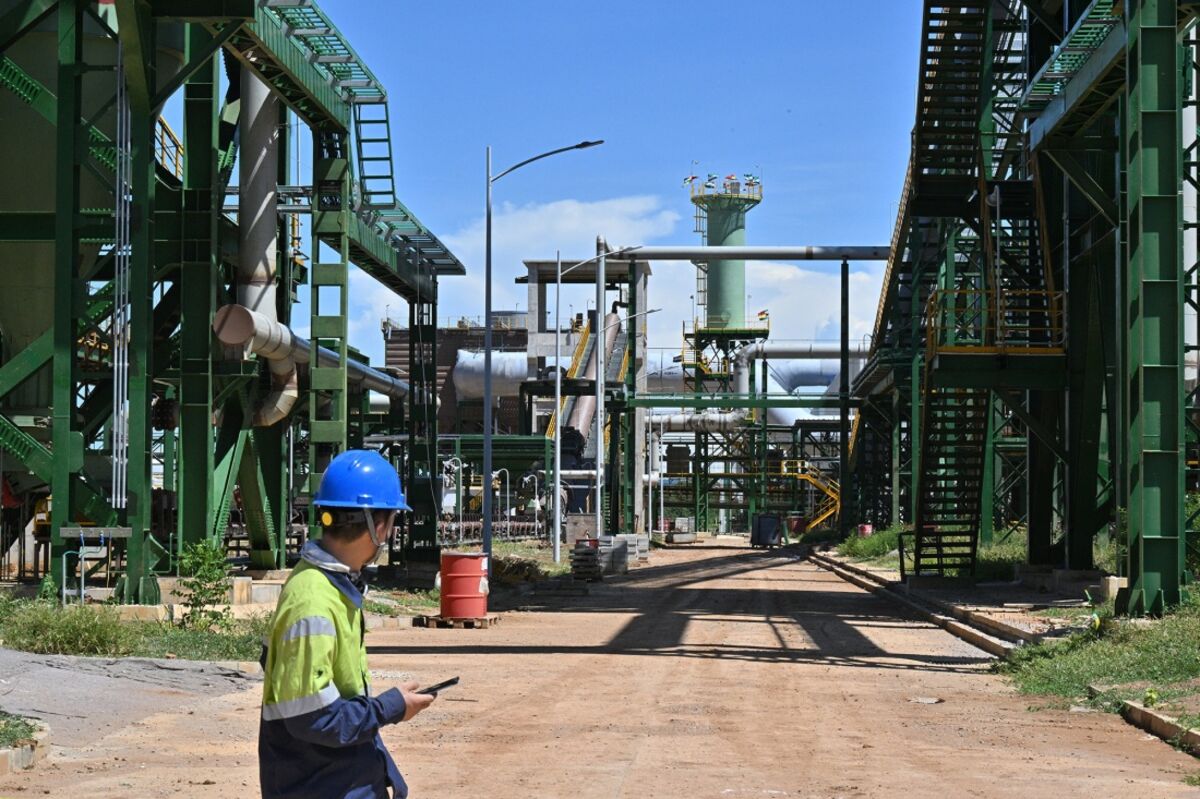
Bolivia's Steel Gamble: A $100 Million Dispute with China Looms
Bolivia's state steel company faces a $100 million loss while clashing with a Chinese firm over a flagship project. As tensions rise, the stakes for both sides couldn't be higher.
Bolivia is caught in a whirlwind of financial turmoil as its state steel company grapples with a staggering $100 million loss from its flagship plant, built by a Chinese engineering firm. This isn't just a corporate spat. it represents a troubling chapter in Bolivia's broader economic strategy and its tightening relationship with China. With the Export-Import Bank of China looming in the background, this conflict could echo far beyond the borders of this South American nation.
The Heart of the Issue
At the center of the conflict lies the stark contrast between expectations and reality. Bolivia's state-owned steel company expected a smooth operation from a project that was supposed to transform its industrial landscape. Instead, it's now confronting operational failures that could ripple through its financial plans.
When a project of this magnitude falters, it raises questions about the oversight and accountability of international partnerships. Bolivia's officials believe they have solid grounds to seek deductions from their repayments to the Export-Import Bank of China. The stakes are not just financial. they touch upon national pride and the ambitions of an emerging economy trying to assert itself on the global stage.
The Financial Implications
With $100 million on the line, both sides need to tread carefully. Bolivia’s state steel company has claimed it plans to approach the Export-Import Bank for possible deductions in light of these losses. The financial landscape is a tricky one for Bolivia, which has been trying to boost its industrial capabilities without becoming overly reliant on foreign entities. However, the grip of Chinese investment is strong, and this dispute could jeopardize future projects.
The potential fallout is severe. If Bolivia pushes too hard against its lender, it risks souring relationships that could have long-term implications for future trade and investment. On the flip side, the Chinese firm must seriously consider the ramifications of its performance, as a failure here could damage its reputation in Latin America, a region where it's already trying to establish deeper ties.
The Political Landscape
This conflict transcends mere finances, touching upon the broader political context of Bolivia’s governance and its approach to foreign investments. President Luis Arce, since taking office in November 2020, has prioritized industrialization but also has to navigate the complexities of dependency on foreign capital.
The implications of this dispute could fuel domestic politics. If the government can successfully negotiate a better deal or at least minimize its losses, it could position itself as a defender of national interests. However, if it fails, critics will likely pounce, painting the administration as ineffective in managing Bolivia's international partnerships.
Looking Ahead: A High-Stakes Game
The coming weeks will be telling. Both sides have much to lose, and as they navigate this contentious landscape, the stakes are incredibly high. Bolivia's attempts to deduct losses could either set a precedent for future negotiations or create an adversarial relationship with one of its primary investors.
As for the Chinese firm, it needs to reassess its operations and possibly rethink its approach to this burgeoning market. The lessons learned here might shape how it engages with other countries in Latin America and beyond. The tension could lead to a chilling effect on future projects if not handled delicately.
Ultimately, Bolivia finds itself at a crossroads. The country must balance its ambitions with the harsh realities of international finance and investment. The way this dispute plays out might not just impact the immediate parties involved but could reshape Bolivia's economic landscape for years to come. Will this serve as a wake-up call for more self-reliance in its industries, or will it reaffirm its dependency on foreign expertise? Only time will reveal the long-term consequences of this fraught affair.