Autonomous Drones and the F-22: A New Era of Airpower Integration
The recent test of the F-22 Raptor with an autonomous drone marks a significant step in air combat evolution. This collaboration hints at the future of military strategy and its potential ripple effects on the industry.
So, I was sipping my morning coffee when a headline caught my eye, an F-22 Raptor, one of the most advanced fighter jets in the world, had flown a test mission with an autonomous drone. It was a moment that couldn't help but make me think about how these technologies are reshaping military strategies. The sky is no longer the limit, and the implications for broader technological ecosystems are profound.
The Deep Dive: Understanding the Test
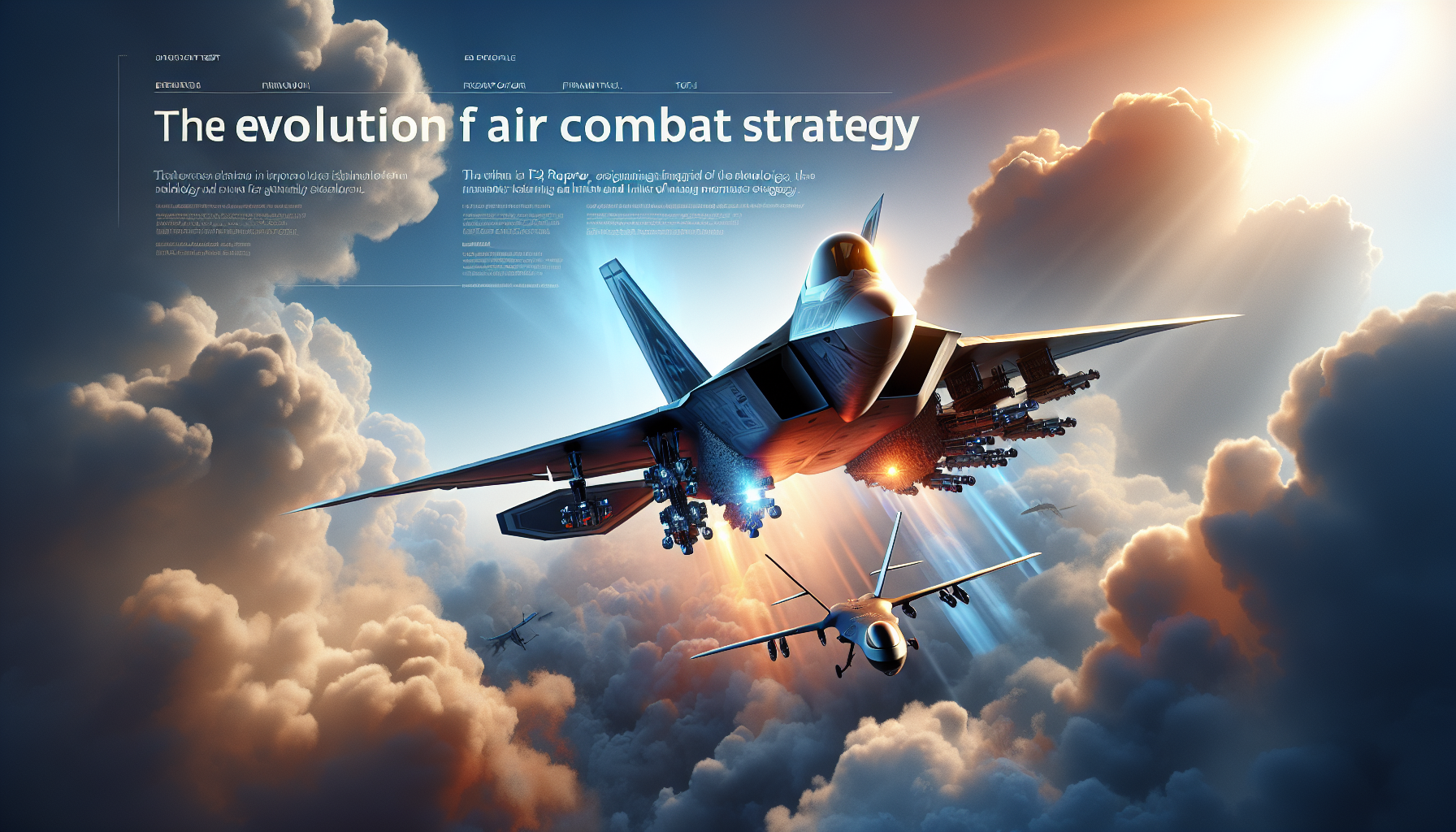
Let's break it down. The recent test at Edwards Air Force Base saw a rather unique pairing, a crewed F-22 Raptor and an uncrewed MQ-20 drone. The Raptor pilot wasn't just flying solo. he was effectively in charge of the MQ-20, a stand-in for what might eventually be known as Collaborative Combat Aircraft (CCA). These drones are designed to act as 'loyal wingmen,' providing support in combat scenarios without a pilot's safety being compromised.
The mechanics of this test are where things get interesting. The F-22 used government-provided autonomy software to pass real-time commands to the MQ-20, allowing the drone to execute complex tactical maneuvers, combat air patrols, and even engage threats. That's right, these aren't just toys. they're capable of performing high-stakes tasks autonomously. But here's the thing, piloting a drone with a tablet? That's a departure from traditional cockpits.
General Atomics, the defense firm behind this, aims to demonstrate how such platforms can boost combat power. In the context of American airpower, this technology could play a important role, especially when considering the potential adversaries like China rapidly advancing their capabilities. Let's not forget, economics play a part here too. While these drones aren't exactly disposable, they're far more cost-effective than the F-35 Lightning II, making them an attractive option when risk is unavoidable.
Broader Implications: Beyond the Skies
Now, let's pull back a bit. What does all of this mean beyond the military? The integration of drones with piloted aircraft isn't just about new combat strategies. It's a reflection of a broader shift toward automation and AI in various sectors. Think about it, if these technologies can coexist in the high-pressure environment of air combat, what's stopping them from mainstream commercial applications?
For the tech industry, the implications are vast. We're seeing advancements in AI decision-making and sensor integration that could easily translate into consumer tech, just as much as military equipment. The ripple effects will likely influence industries from logistics to personal transport, for more autonomous, efficient systems.
But here's a question. With increasing reliance on AI, are we underestimating the risks involved? The success of these systems depends heavily on reliable cybersecurity measures. The stakes in military applications are incredibly high, not just potential loss of assets but also in strategic advantage. This raises concerns that are pertinent not only to national security but to privacy and data protection as well.
Honest Opinion: What's Next?
So, what should we do with all this information? For starters, keeping an eye on how this tech evolves is important, not just for defense enthusiasts but for anyone interested in tech-driven industries. Investors in AI and drone technologies might see this as a promising sign. After all, professional traders are pricing in the potential for these innovations to transform markets.
The skew tells a different story though. While there's excitement, there's also caution around how these systems will integrate with existing infrastructures, both in the sky and on the ground. It’s a balancing act between embracing innovation and managing risks.
In the end, while the F-22 and MQ-20's collaboration might feel like a step straight out of a sci-fi novel, it's a reminder of the pace at which technology is advancing. It's not just about military might, it's about the broader implications and opportunities these advancements present. As always in tech, the best approach is to remain informed, skeptical, and ready for what comes next.