AMC Theaters Faces Backlash Over AI-Generated Short Film Screening
When AMC Theaters showcased an AI-generated short film, the reaction was explosive. Moviegoers rallied against the trend, raising questions about the future of cinema.
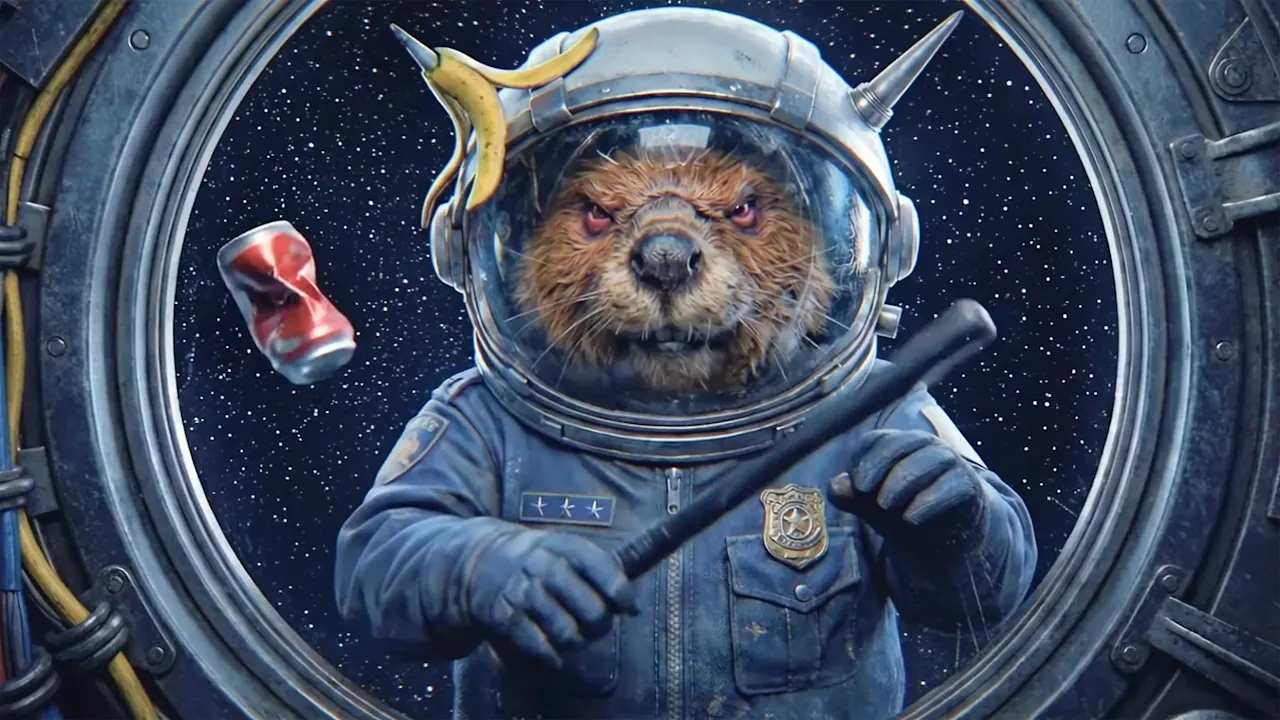
When AMC Theaters announced it would screen an AI-generated short film called Thanksgiving Day, the internet erupted. Cinephiles, filmmakers, and casual moviegoers alike voiced their outrage on social media, arguing that this was a blatant disregard for human creativity in the film industry. What started as a promotional initiative quickly turned into a flashpoint in the ongoing debate about the role of artificial intelligence in art and entertainment.
The Festival That Sparked Controversy
The controversy began when Thanksgiving Day was crowned the winner of the inaugural Frame Forward Animated AI Film Festival. The festival aimed to highlight new approaches in filmmaking, including the use of AI. The prize included a nationwide theatrical release, which led to the film screening in the pre-show at select AMC locations. This decision was met with immediate backlash, with many calling it disrespectful to the craft.
Critics voiced their frustration on platforms like Twitter. One user described the situation as "hot garbage," while others expressed concern over the implications of prioritizing AI-generated content over human-made films. With the film screening at just a fraction of AMC’s locations, the backlash still sent ripples through the industry, highlighting a growing discontent with AI's encroachment into creative fields.
AMC's Response and Public Sentiment
In less than 24 hours after the initial outrage, AMC issued a statement clarifying that the decision to screen the film was not theirs. Instead, it was an initiative handled by Screenvision Media, the cinema advertising company behind the Frame Forward festival. AMC stressed that its pre-show advertising runs in fewer than 30 percent of its U.S. locations and confirmed they would no longer participate in this initiative.
This swift response pleased many dissatisfied customers who felt that their voices were finally being heard. For those passionate about preserving traditional filmmaking, this was a win. It showed that brands like AMC are sensitive to consumer sentiments, especially when it comes to something as personal as art and storytelling.
The Bigger Picture: AI in Creative Fields
What does this mean for the future of cinema? As AI technology continues to evolve and enter creative domains, we can expect more friction. The incident at AMC highlights a essential crossroads for the film industry. Some argue that AI can assist filmmakers, making certain processes easier and more efficient. But others fear it threatens the soul of storytelling, replacing human emotion and creativity with algorithms.
Jacob Harper, a film critic, warns that the integration of AI into filmmaking could lead to a homogenization of cinematic experiences. If studios focus on AI-generated content to cut costs, we may end up with films that lack the emotional depth and authenticity that audiences crave. The backlash against AMC suggests that consumers are not just passive observers in this transition. they have a voice, and they will speak up when they feel their values are being compromised.
Who's Winning and Losing in This Tug-of-War?
The battle isn't just between human creators and AI. It involves consumers who are increasingly aware of the implications of technology on their beloved art forms. On one hand, the anti-AI advocates scored a victory with AMC's reversal, signaling that brands cannot ignore public sentiment. On the other hand, proponents of AI argue that it can foster new levels of creativity by offering fresh perspectives and approaches to storytelling.
As the market for AI-generated content expands, traditional filmmakers might face challenges in securing funding for projects that involve human creativity. If studios are swayed by the allure of cheaper, automated content, independent filmmakers and storytellers could find themselves sidelined. This could lead to a significant loss of diversity in storytelling and artistic expression.
As the lines between human and AI-generated art blur, we must ask ourselves what we value in storytelling. Is it the process or the product? For now, it seems audiences still crave the human touch in their films, and that’s a message brands like AMC can’t ignore.
While this incident may just be a blip on the radar, it raises bigger questions about the future of art in the age of AI. Consumers won’t just sit back as technology evolves. They will push back against changes that undermine the emotional and human aspects of creativity. The art world is changing, and it’s up to all of us to decide what that looks like.