AI's Profit Unveiled: Farms, Mines, and Trucks Reap the Real Benefits
Forget software giants. AI's true impact lies in reshaping physical industries like farming and trucking. Discover how labor shortages and tech advances converge.
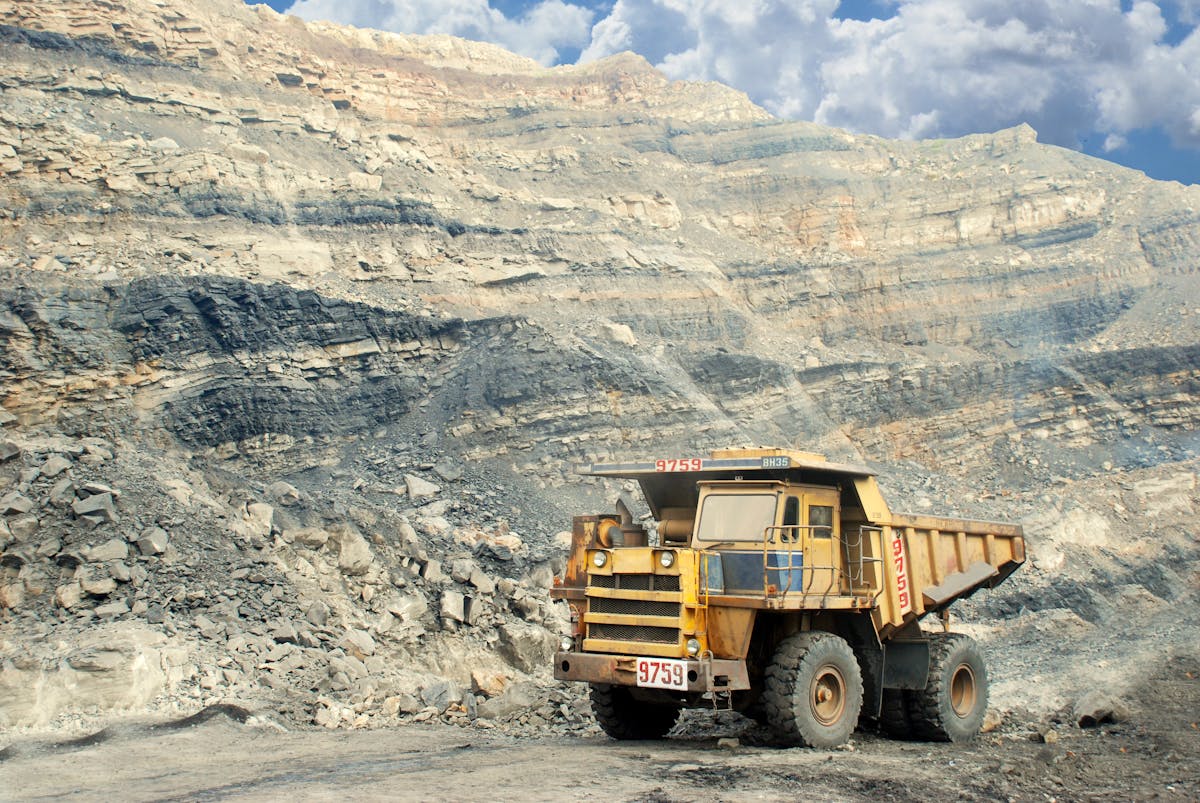
AI isn't just about software companies lining their pockets with the latest chatbot features. The real game-changers are in the gritty, physical industries that keep the world literally moving. Think farming, mining, and trucking. These sectors, long overshadowed by tech's bright software lights, are poised for an AI overhaul.
The Evidence: Number-Crunching AI's Role
Let's talk numbers. Applied Intuition, valued at a jaw-dropping $15 billion, raised $600 million in recent funding to focus on tech for autonomous vehicles and machinery. CEO Qasar Younis predicts AI will revolutionize sectors desperate for efficiency. Take farming, where the average worker is pushing 60. Labor shortages loom large as these folks retire. In trucking, jobs aren’t exactly in high demand either. Enter AI, not as a job killer, but as a gap-filler.
Wall Street's worried whispers about AI obliterating white-collar jobs make headlines, but the real quiet revolution is happening far from the office suites. It's in the fields, the mines, and on the open road. Sure, tools like Moltbook and OpenClaw jazz up the developer playground, but their societal impact is limited. The real winner here? Industries where AI fills labor gaps and boosts productivity.
The Doubters' View: Potential Pitfalls?
But wait, AI's not without its skeptics. What about the initial costs? Implementing AI tech isn't cheap, especially for small farms or independent truckers. And then there's the training. Teaching workers to interact with these new AI-driven systems takes time and resources. Plus, there's still a nagging worry that automation could lead to job losses overall, reshaping roles indiscriminately.
Consider the broader economy. If AI squeezes out too many jobs too quickly, does it stifle growth? The same tech that addresses labor shortages in physical industries might contribute to a different kind of economic crunch. The automation paradox: helping some while potentially harming others.
Your Verdict: Who Wins, Who Loses?
So, what's the final call? While AI's impact on software giants might've triggered a stock sell-off, physical industries are gearing up for their own big win. Labor gaps get filled. Efficiency rises. Even Gen Z is drawn to blue-collar roles, sidestepping the uncertainty AI creates in traditional careers. But remember, everyone has a plan until liquidation hits. Can these industries adapt quickly enough to outpace the costs?
AI's future isn't about eliminating jobs. it's about transforming them. Zoom out. No, further. See it now? The winners are those who embrace AI's potential without losing sight of the human element. The losers? Those too overleveraged and overextended to adapt. There's your blueprint for the next decade. Bullish on hopium, bearish on math. That's the AI tale woven in the fields and the highways.