AI Drives RAM Prices Sky High: PC Costs Surge in 2026
As AI demands more memory, PC prices are climbing drastically. RAM now takes up 35% of a PC's cost, forcing companies like HP to consider price hikes. Is AI the villain here, or just a growing pain of progress?
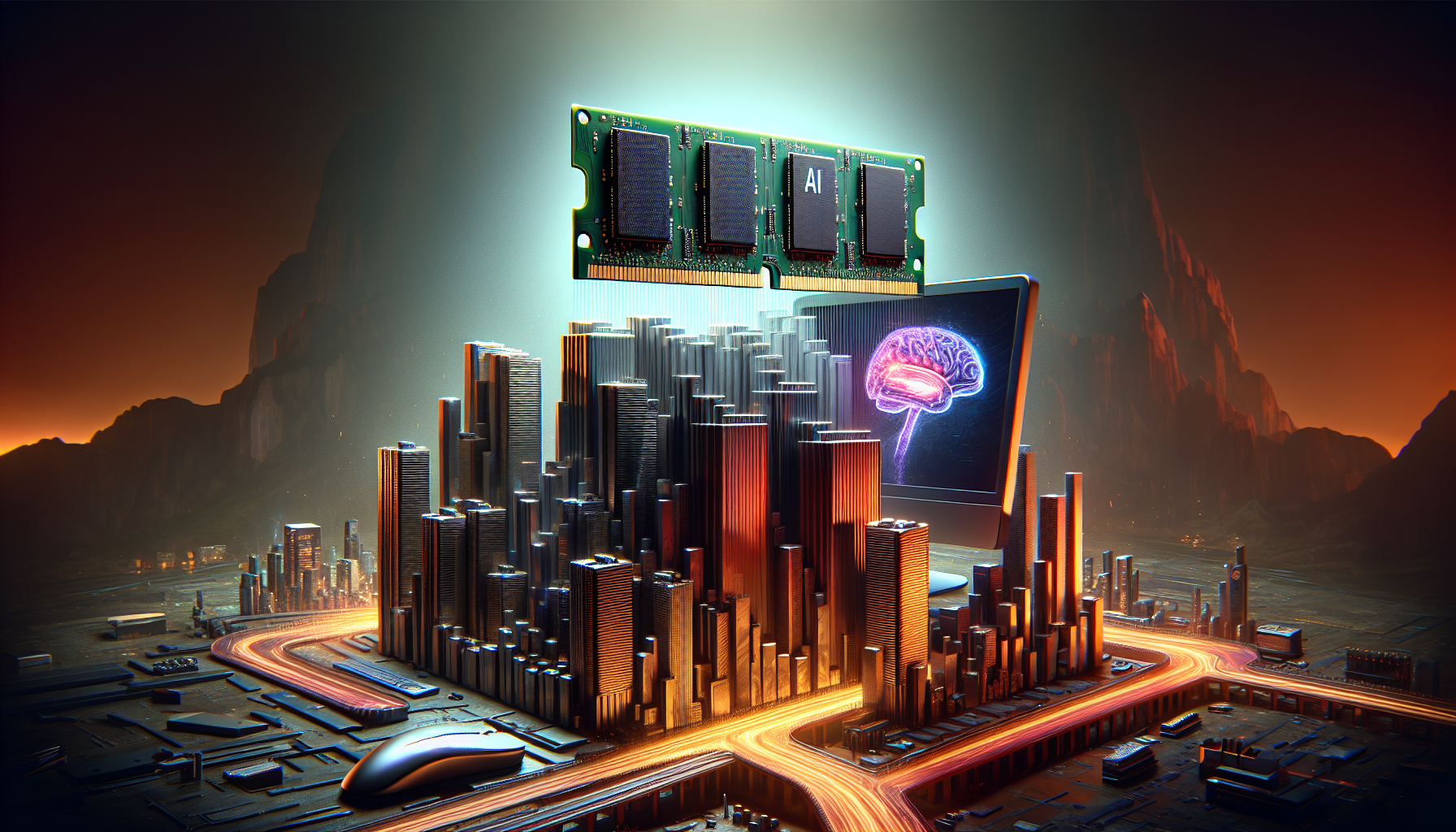
AI's relentless hunger for memory is causing a serious uptick in RAM prices, hammering the PC market hard. That's the main takeaway from recent industry developments. Right now, RAM accounts for a whopping 35% of the total cost of a PC, and it's causing a ripple effect that consumers and businesses can't ignore.
Evidence: Skyrocketing RAM Costs
to some numbers. HP's latest earnings report reveals that just last quarter, memory and storage made up about 15% to 18% of a PC's bill of materials. Now, for the entire year, they're estimating this figure to be about 35%. That's a huge leap in just a short period.
So what's driving this surge? In plain English, AI is gobbling up the world's memory supply. Companies like Micron have even dropped their consumer brands to focus solely on AI-related business-to-business supply. It's clear this demand is reshaping the market and forcing companies to make tough decisions.
Counterpoint: Potential Solutions and Missteps
But hold on. It's not all doom and gloom. Companies aren't just sitting around wringing their hands. HP, for one, is exploring new suppliers and trying to find more cost-effective sources for memory. HP interim CEO Bruce Broussard is optimistic that the market will stabilize over time. They seem committed to finding a way around the current crisis.
Yet, there's another side to this story. Not every company sees AI PCs as the future. Dell, for instance, argues that consumers aren't particularly interested in AI PCs. If they're right, HP's strategy could be misaligned with market desires, potentially leaving them with costly inventory no one wants.
Your Verdict: The Winners and Losers
Here's the gist: AI's impact on RAM prices highlights a broader conflict between technological advancement and consumer cost. Right now, the demand for AI-related technology is outpacing the supply of memory components, driving up prices across the board.
In this scenario, big AI and tech companies could emerge as the winners, reaping benefits from higher prices and increased demand for AI infrastructure. Consumers, on the other hand, might find themselves the losers, facing more expensive PCs or delaying purchases altogether.
Bottom line: Unless the industry finds a way to balance supply and demand, we might see these price hikes stick around. So, the question remains, is AI worth the cost? For some, the benefits might outweigh the price, but for others, especially everyday consumers, the rising costs could be a bitter pill to swallow.