AI Art Can't Get Copyrighted: Supreme Court's Decision and Its Ripple Effects
The Supreme Court's decision to deny copyright for AI-generated art has stirred debates. What does this mean for the future of creativity and copyright laws?
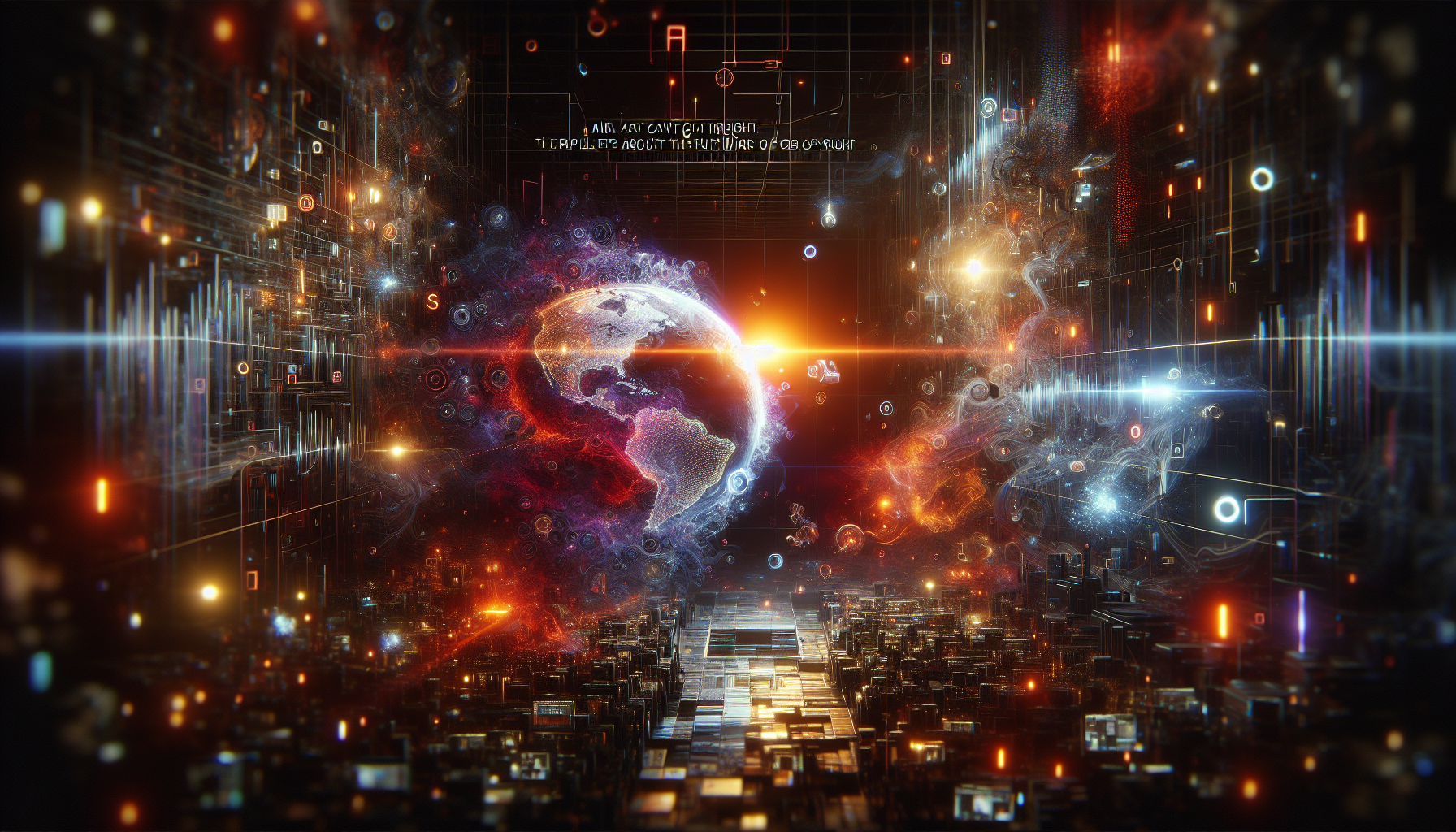
Did you know AI-generated art can't claim copyright protection? It's a reality after the US Supreme Court declined to hear a case challenging this notion. This decision has sent ripples through the creative and tech worlds, raising questions about the future of creativity and authorship.
The Story: Thaler's Quest for Copyright
In 2019, Stephen Thaler, a computer scientist from Missouri, set out to copyright an image called 'A Recent Entrance to Paradise.' This wasn't your typical request, though. Thaler sought to secure this copyright on behalf of an algorithm he created. The US Copyright Office, however, rejected his request, stating the image lacked the necessary 'human authorship' to qualify for protection.
Thaler wasn't ready to back down. He challenged the decision but faced resistance all the way up to the Supreme Court. But when the highest court declined to hear his appeal, the lower court's ruling stood firm, AI-generated art doesn't get copyright protection without a human touch.
Analysis: What Does This Mean?
So, what does this all mean for artists, AI developers, and the crypto world? For starters, it highlights the limitations of current copyright laws in accommodating the rapidly advancing field of AI. Artists are left wondering where the line between human and machine creativity should be drawn.
And here's the thing, this decision might not be as bad as it seems. In a world where AI is becoming increasingly prevalent, the lack of copyright on AI creations could democratize art. Anyone can use AI-generated art without fear of infringing on rights. But it also raises the question: are we undervaluing creativity when machines do the heavy lifting?
In the crypto space, this has implications too. NFTs, or non-fungible tokens, rely heavily on blockchain to prove ownership of digital art. If AI art can't be copyrighted, does it devalue the NFTs based on them? Investors might be left scratching their heads, asking why they should invest in something that isn't protected by traditional legal frameworks.
Takeaway: A New Era for Creativity?
Everyone agrees on one thing, this Supreme Court decision is just the beginning of a larger conversation about the intersection of technology and creativity. AI won't stop creating, and people won't stop pushing the boundaries of what's possible. But until copyright law catches up, we might see more of these legal battles.
What if the opposite is true, though? What if this decision opens up more opportunities for collaboration between humans and machines? It's a classic case of when the crowd panics, it's time to sharpen your pencil. This could be the start of a new era where the definitions of creativity and ownership are reshaped in surprising ways.