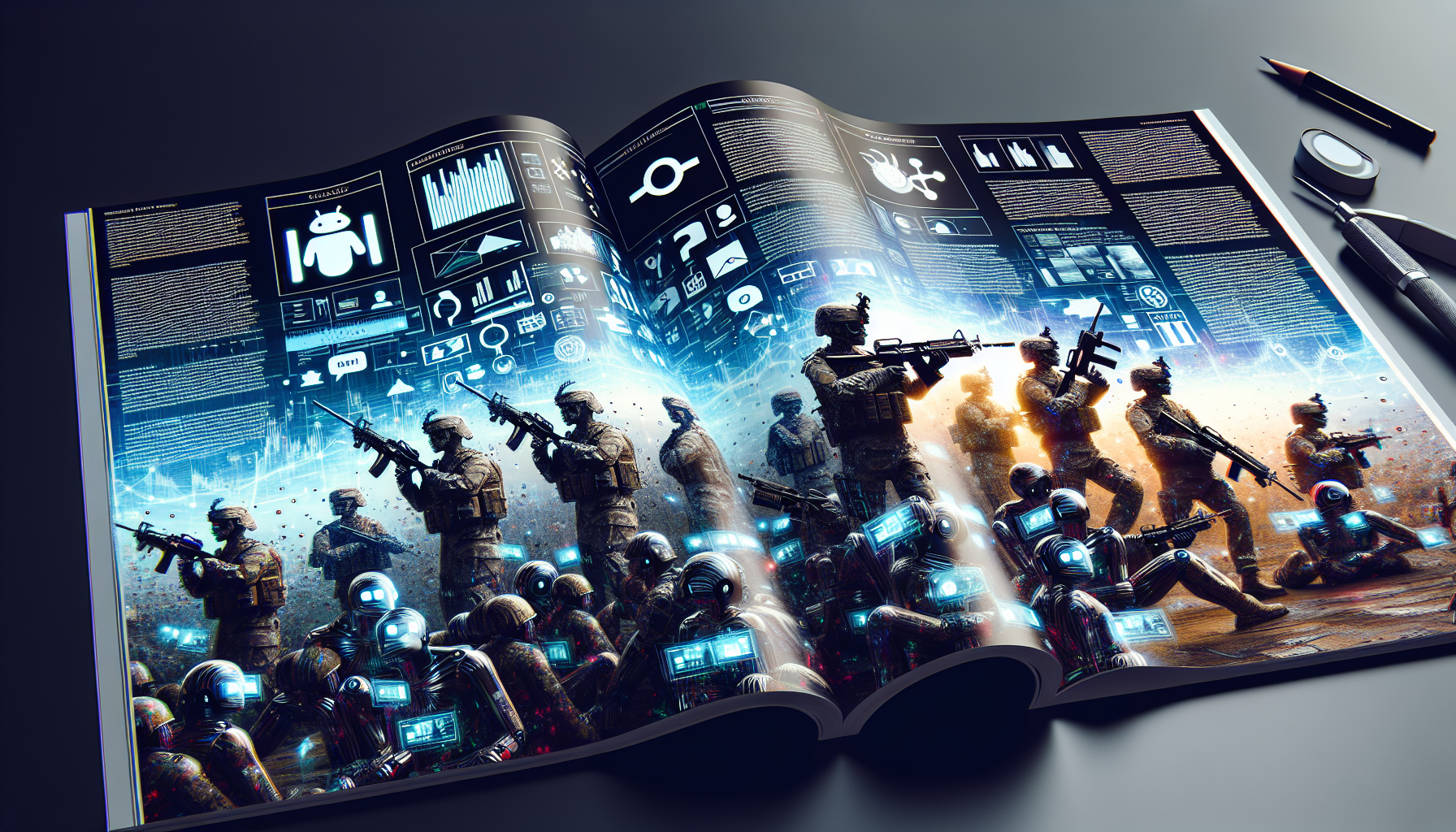
AI and the Battlefield: How Chatbots Are Shaping Modern Warfare Strategies
The military's adoption of AI tools like chatbots isn't just futuristic, it’s happening now. But how effective is this technology in high-stakes operations?
Artificial intelligence has arrived on the battlefield, and it’s not just a vision from science fiction movies anymore. The military’s use of AI tools like chatbots for real-world operations is no longer a matter of speculation but a growing reality. This pivot to AI-powered strategies raises vital questions about effectiveness, costs, and moral implications.
Chatbots and Combat: A New Frontier
The U.S. military’s adoption of AI tools for warfare, including widely used chatbots like Claude, marks a significant shift in defense strategies. Earlier this year, AI played a role in operations targeting high-profile figures, including the capture of Venezuela's former president, Nicolás Maduro, and the assassination of Iran's Ayatollah Ali Khamenei. With Anthropic’s language models integrated into defense systems, we're witnessing a transformation in how military missions are executed.
Historically, the military has sought technological advancements to gain an edge. The Department of Defense's Project Maven, launched in 2017, aimed to integrate AI into military operations for enhanced data processing and decision-making capabilities. Although initially reluctant, tech giants like Google and Palantir eventually contributed to these developments, providing essential tools for AI-driven military applications.
The Doubts and Dilemmas
But not everyone is convinced this AI-driven approach is foolproof. Critics argue that the reliance on AI in military applications could lead to unprecedented risks. What happens when a chatbot misinterprets a command or an algorithm fails in a critical moment? There's also the moral dimension, using tools akin to what consumers use for mundane tasks to decide matters of life and death is unsettling for many.
the integration of AI in military operations raises cybersecurity concerns. As these systems become more sophisticated, so do the methods to hack and manipulate them. The stakes are incredibly high when geopolitical stability relies on code that might be vulnerable to disruption.
The Crypto Connection
What does all this mean for the crypto world? Primarily, it highlights a fascinating intersection between digital currencies and defense technology. The blockchain’s potential to secure AI data and operations could provide a new layer of security, preventing unauthorized access and ensuring data integrity. Follow the hashrate, and you'll see where crypto’s security solutions might play a role in this high-stakes domain.
However, the economics are tighter than people think. These AI tools, like any tech, come with hefty price tags. Yet, their utility could justify the expense if they lead to faster, more efficient operations. Behind every sophisticated AI tool is a complex web of costs, including development, operational integration, and maintenance.
Conclusion: A Double-Edged Sword
So, where do we stand? The use of AI in military contexts is both a boon and a potential bane. The ability to make easier operations and potentially save lives through quick, data-driven decisions is undeniable. But, the ethical and security dilemmas are equally compelling and can’t be ignored. As the military-industrial complex continues to evolve, so does the debate.
In this high-stakes game, it’s clear that AI-driven warfare is here to stay. But who will benefit the most? And what will be the ultimate cost? These questions might not have easy answers, but they're essential to understanding the future of both military and technological landscapes.